Cleaning & Prevention
Exams, Cleaning, X-Rays, & Sealants
First-Time Patient?
Consultation, Exam, x-rays, and Cleaning for only RM 200!
Fluoride Treatment
Fluoride is a natural mineral that builds strong teeth and prevents cavities. It’s been an essential oral health treatment for decades. Fluoride supports healthy tooth enamel and fights the bacteria that harm teeth and gums. Tooth enamel is the outer protective layer of each tooth.
Fluoride is especially helpful if you’re at high risk of developing dental caries, or cavities. Cavities occur when bacteria build up on teeth and gums and form a sticky layer of plaque. Plaque produces an acid that erodes teeth and gum tissue. If the plaque breaks down the enamel layer, bacteria can infect and harm the nerves and blood at the core of the tooth.
Sealants
Dental sealants are thin coatings that when painted on the chewing surfaces of the back teeth (molars) can prevent cavities (tooth decay) for many years. Sealants protect the chewing surfaces from cavities by covering them with a protective shield that blocks out germs and food.
Exams & Cleanings
During a cleaning, your dentist or dental hygienist scrapes plaque and tartar from your teeth. In an exam, the dentist will carefully look at your teeth, mouth and throat to identify any problems, such as cavities, gum disease, loose fillings and oral cancer.
Brushing & Flossing
Brushing is an excellent way to clean your teeth, remove dental plaque, and prevent cavities. But brushing alone isn’t enough to keep your teeth healthy and prevent gum disease. Flossing contributes to good dental hygiene because it lifts and removes plaque and food in between your teeth.
Home Care Tips
Brush at least twice a day. In the morning and before sleeping. · Avoid sugary food. · Clean your tongue. · Drink more water. · Don’t smoke or drink
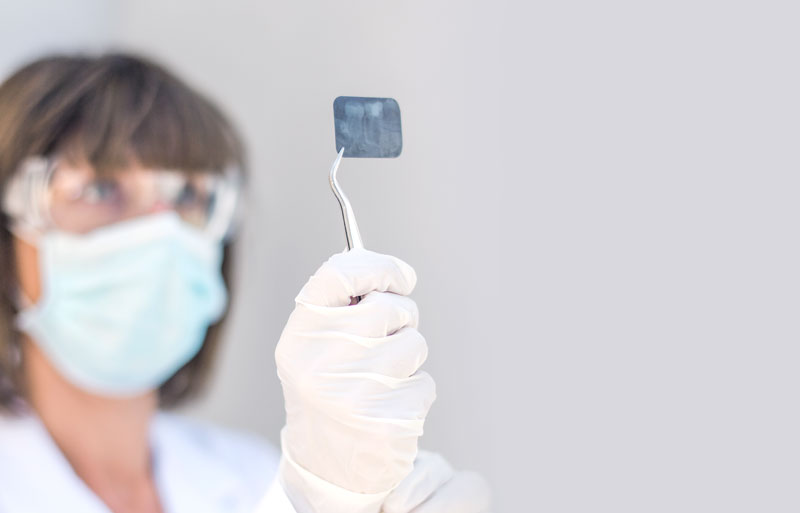
Dental X-Rays
Dental X-rays (radiographs) are images of your teeth that your dentist uses to evaluate your oral health. These X-rays are used with low levels of radiation to capture images of the interior of your teeth and gums. This can help your dentist to identify problems, like cavities, tooth decay, and impacted teeth.
Dental X-rays may seem complex, but they’re actually very common tools that are just as important as your teeth cleanings.
Frequently Asked Questions
All the dental questions that you always wants to know.
Do I really need to floss?
There’s no getting around the need to get around your teeth daily with dental floss. It clears food and plaque from between teeth and under the gumline. If you don’t, plaque hardens into tartar, which forms wedges and widens the space between teeth and gums, causing pockets. Over time, gums pull away and teeth loosen.
Either waxed or unwaxed floss will do the job. Using floss picks or interdental brushes is another easy option.
Does a rinse or mouthwash help?
Mouthwashes for cavity protection, sensitivity, and fresh breath may help when you use them with regular brushing and flossing — but not instead of daily cleanings. Your dentist can recommend the best type for you.
Some people need twice-daily rinses for gum health or alcohol-free washes for dry mouth.
Kids under 6 shouldn’t use mouthwash to avoid the chance of them swallowing it.
What are early signs of dental trouble?
Visit a dentist if you have any of these issues or see your child having trouble chewing or complaining of soreness:
- Mouth sores
- Jaw pain
- Redness
- Swollen face or gums
- Tooth sensitivity
- Broken teeth
- Dry mouth
- Bleeding gums
- Bad breath or a bad taste in your mouth
Getting checked out right away prevents more serious problems and infections.
Why do I need dental exams?
Regular exams help spot trouble early to prevent bigger and more costly treatments later.
A dental hygienist will start by cleaning buildup from your teeth. Then the dentist will probe spots on the surfaces and near the gumline with special tools. If it’s been a while between appointments, you may have some sore and sensitive areas.
You should get an exam every 6 months, or more often if your dentist recommends it. Find one who makes you feel at ease and lets you know what to expect. Often the dread of seeing the dentist turns to big relief when the visit is over and you have a care plan set up. Being positive as a parent can help your kids overcome any of their fears.
Are dental X-rays safe and needed?
Medical and dental experts study the use of X-rays and set limits for their safety. Your dentist should take as few as possible. Sometimes dentists may recommend X-rays to diagnose a special problem. Advancements in technology means today’s digital X-rays release much less radiation and are safer than in the past.
Expect to get them during a first exam after not seeing a dentist for a while. This helps check tooth and gum health. If you have gum disease, the dentist may want pictures every 6 months. For regular check-ups, it’s about every 2 years, depending on your dentist’s plan.
Kids have more X-rays done than adults because their teeth are changing and because they get cavities more easily.
Do teeth need fluoride?
Fluoride helps make teeth strong and prevents decay. The American Academy of Pediatrics, the American Dental Association (ADA), and the CDC all agree that kids should use fluoride toothpaste for brushing, taking care not to swallow it.
Adults benefit from using fluoride to protect their teeth, too.
How do fillings work?
Cavities break through the surface enamel of teeth, and they’ll probably get bigger unless you close them off with fillings.
Your dentist will numb your mouth before drilling around the cavity to prep it. A combination of strong materials or a white mix called a composite goes into the cavity soft and then hardens as it dries. You may feel pain or pressure when getting the numbing shot and during the drilling.
Once set, fillings can last a long time but need replacing if they break or wear down.
What do sealants do?
Sealants protect against cavities that can form in the natural tiny holes and cracks on the outside of teeth. Kids from about 6 to 12 benefit from having sealants painted and hardened onto the chewing surfaces of their back teeth, or molars. Adults can get sealants as well to protect teeth that don’t have fillings.
Dentists or dental assistants put sealants on in an office visit, and it’s painless. They last around 2-4 years.